

chirurgie-saarbruecken-abouzamel-impression

Our Services

CUREQX – Surgical Center Saarbrücken
General Surgery

Proven surgical procedures

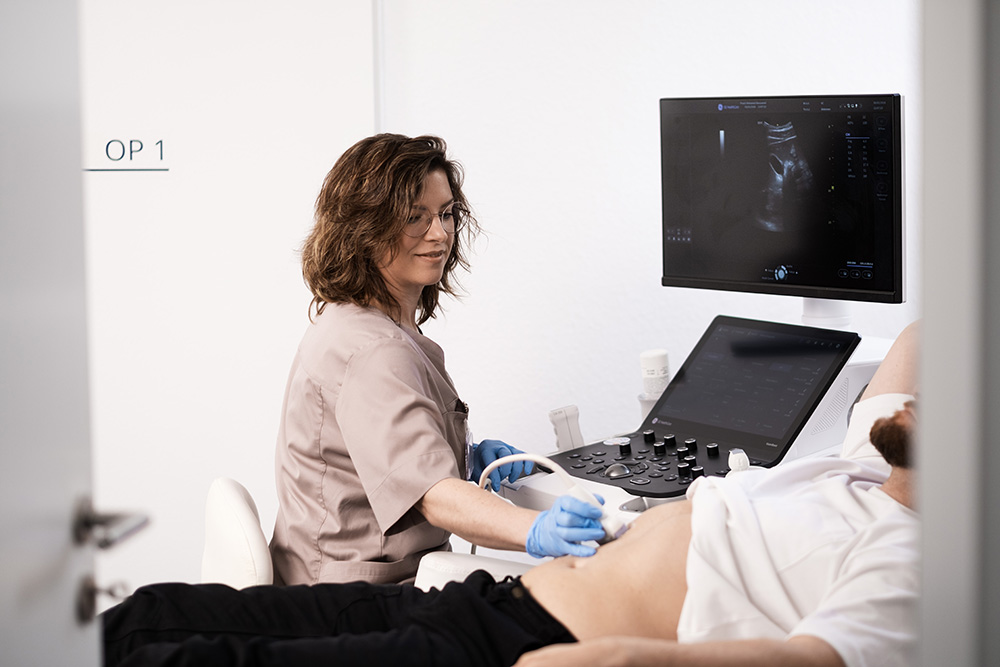
General surgery covers a broad spectrum of surgical and conservative treatments for a wide range of conditions. At our surgical center in Saarbrücken, careful diagnostics, clear patient information, and individually tailored therapy are our main focus. Our aim is to perform necessary procedures as gently as possible and in accordance with current medical standards.
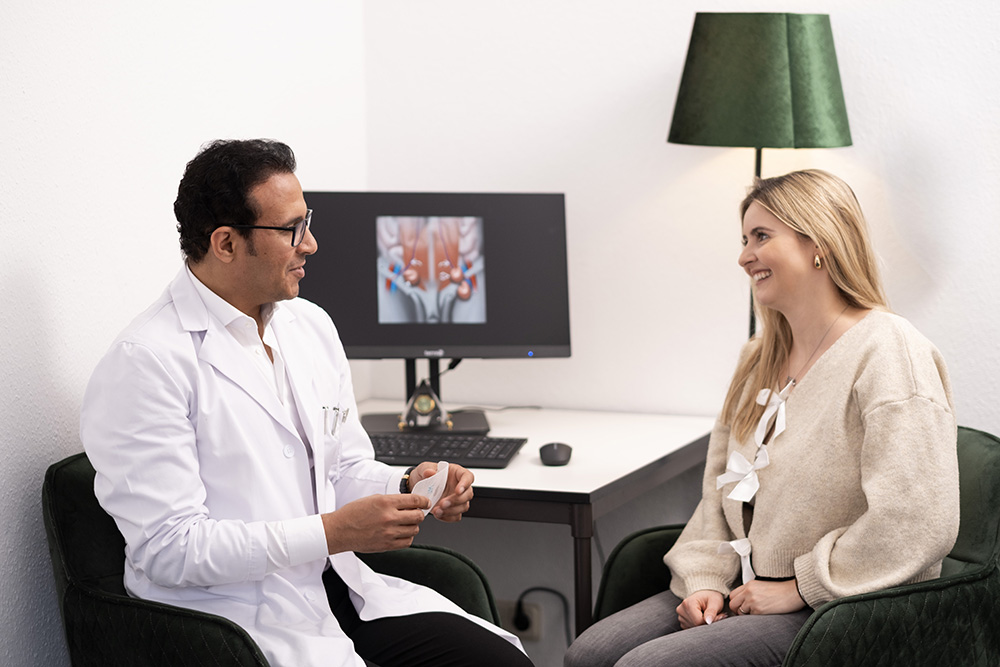
Gallstones can remain unnoticed for a long time, but they can also cause pain, inflammation, or digestive problems. If symptoms occur or complications are likely, surgical removal of the gallbladder may be advisable. The procedure is usually minimally invasive and is a routine part of general surgery. We also offer this procedure on an outpatient basis.
Laparoscopy is a modern, minimally invasive surgical technique. Many minor and major procedures in the abdominal cavity can be performed in a particularly tissue-sparing way through small skin incisions. All internal organs such as the gallbladder, spleen, liver, adrenal glands, as well as extensive adhesions in the abdomen, tumor diseases, and acute emergency treatments such as appendicitis or intestinal perforation can be treated safely using this approach. Advantages typically include less pain, smaller scars, and faster recovery compared to open surgery.
Benign skin changes such as fibromas or bothersome scars can be removed for medical or functional reasons. The assessment and surgical treatment of skin tumors is also part of our range of services. We place great importance on precise diagnostics and the most aesthetic result possible.
Abscesses are caused by bacterial inflammation and are often accompanied by pain, redness, and swelling. Early surgical treatment can help relieve the inflammation and prevent complications. The procedure is performed according to clear medical criteria and under sterile conditions.
surgery-saarbruecken-abouzamel-hernia-surgery

Hernia Operations

Minimally invasive surgery for inguinal and abdominal wall hernias

A hernia occurs when tissue protrudes through a weak spot in the abdominal wall. Commonly affected areas are the groin, the navel, or previous surgical scars. Since a hernia does not resolve on its own and can cause symptoms or complications as it enlarges, surgical treatment is often advisable.

At our surgical center in Saarbrücken, hernia repair is preferably performed using minimally invasive techniques. Through small skin incisions, the hernia is visualized with the help of a camera and the abdominal wall is specifically stabilized. In many cases, a synthetic mesh is used to reinforce the hernia defect without tension and reduce the risk of recurrence. Minimally invasive hernia surgery is an established standard procedure and often offers advantages such as smaller scars, less pain, and faster recovery. Which surgical method is suitable in an individual case depends on the type, location, and extent of the hernia as well as personal health factors. Our center offers both standardized and innovative surgical techniques, nationally and internationally, to treat even complex hernias.
surgery-saarbruecken-abouzamel-proctology

Proctology

Careful diagnosis and treatment of rectal and anal complaints

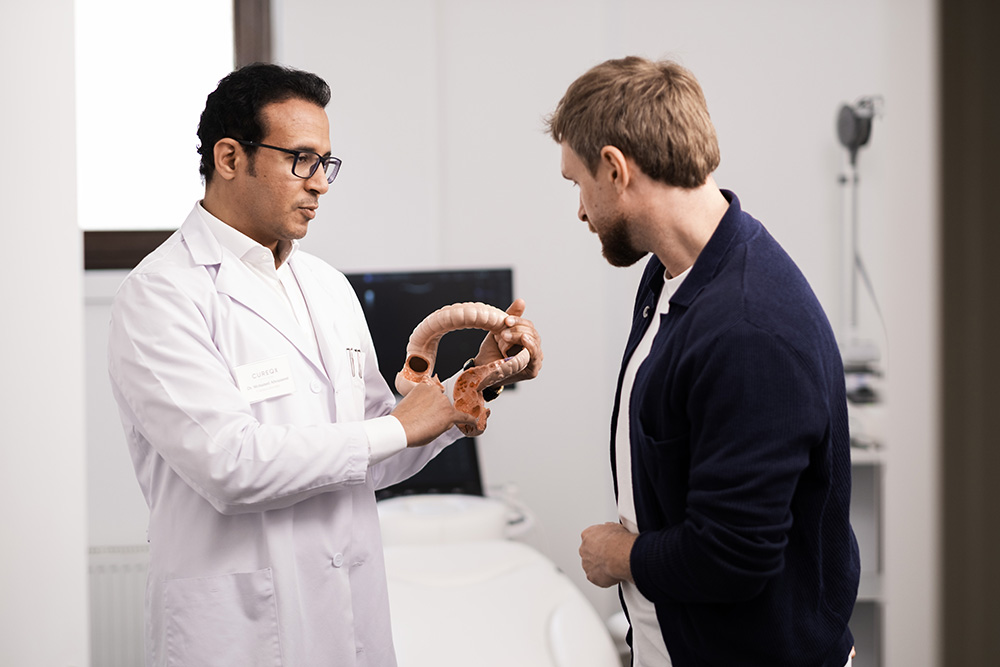
Within proctology, our surgical center deals with diseases of the rectum and anus. Many affected individuals experience symptoms such as pain, bleeding during bowel movements, itching, or swelling in the anal area—symptoms that are often addressed late due to embarrassment, even though they can significantly impair quality of life. A specialist assessment is therefore important to rule out serious causes and initiate targeted therapy.

At its core, proctological diagnostics include a thorough medical history and physical examination of the anorectal region. If necessary, special procedures such as anal canal endoscopy or imaging examinations are added to better assess structures and diseases in the rectum and anal canal. On this basis, individual treatment pathways are developed, ranging from conservative measures to surgical procedures.

Common complaints that are assessed and treated in proctology include hemorrhoidal disease, anal fissures, and abscesses and fistulas in the anal area. More complex functional disorders or inflammatory changes also fall within the scope of treatment. Surgical therapy is carried out based on clear medical indications and with a focus on preserving function, in order to relieve symptoms sustainably and prevent secondary problems. We place great importance on your privacy throughout the entire examination and treatment.

Hemorrhoids are among the most common conditions in Western industrialized countries. At our proctology center, they are diagnosed professionally and treated individually.
Around 70–75% of people experience hemorrhoid-related symptoms at least once in their lifetime. Hemorrhoids are well-perfused vascular cushions in the lower rectum that serve an important function: they support fine closure of the anus and prevent the unintentional passage of air or fluid.

Symptoms occur when these vascular cushions enlarge. Typical symptoms include bleeding, itching, and occasionally a feeling of pressure or a foreign-body sensation. Only rarely does a prolapse occur, in which hemorrhoids protrude outward. Common causes include constipation, lack of exercise, prolonged sitting, and an unbalanced diet.

Treatment depends on the severity and individual symptoms. In many cases, conservative therapy is sufficient, consisting of lifestyle adjustments and the use of local medications such as suppositories or ointments. If bleeding persists, a so-called rubber band ligation can be performed. Larger, prolapsing hemorrhoids are usually treated surgically.

Possible treatment methods:

  • Conservative therapy
  • Rubber band ligation
  • Laser treatment / coagulation
  • Surgical removal (e.g., Ferguson or Milligan-Morgan)
  • Stapled hemorrhoidopexy

In more complex cases, an inpatient stay of about two days is required. In most cases, treatment is provided on an outpatient basis.

Pilonidal sinus, also known as a coccygeal fistula, is a chronic inflammation in the cleft of the buttocks near the tailbone. It often develops due to ingrown hairs that trigger an inflammatory reaction under the skin.
Typical symptoms include pain when sitting, swelling, redness, and oozing or purulent discharge. In acute cases, a painful abscess may form. The condition occurs mainly in young adults and can be promoted by factors such as heavy sweating, dense hair growth, or prolonged sitting.
Treatment depends on the extent of the condition. In early stages, conservative therapy may be sufficient. However, surgery is often necessary to completely remove the inflamed tracts and prevent recurrence.

Possible treatment methods:

  • Conservative therapy (e.g., hygiene, hair removal)
  • Surgical removal of the fistula tracts
  • Minimally invasive procedures depending on findings

Treatment is usually outpatient; in pronounced cases, an inpatient stay may be advisable in individual cases.

An anal fissure is a painful tear in the sensitive skin around the anus. In our practice, this condition is diagnosed carefully and treated individually.
An anal fissure often develops due to hard stool associated with constipation. Typical symptoms are severe pain during bowel movements and bright red bleeding. Many affected individuals also report burning or persistent pain after using the toilet.
In about 95% of cases, an anal fissure heals on its own. Treatment aims to relieve pain, relax the sphincter muscle, and eliminate triggering factors such as constipation. Local medications (e.g., ointments) and supportive measures to regulate bowel movements are used for this purpose.
If symptoms persist for more than three months, it is referred to as a chronic anal fissure. In these cases, surgery may be advisable.

Possible treatment methods:

  • Conservative therapy
  • Surgical wound treatment (débridement)
  • Surgical removal of the fissure
  • Relaxation of the sphincter muscle through targeted injections

Treatment is usually provided on an outpatient basis in our practice.

An anal fistula is a connection between the mucosa of the rectum and the skin around the anus. An anal fistula usually develops after an acute abscess in the anal region. Through the internal opening of the fistula, secretions and bacteria-containing fluid can enter the fistula tract and drain out through the skin. As a result, the inflammation often persists and usually does not heal on its own.

An anal fistula can usually only be treated surgically. Treatment is often carried out in two steps: in the first procedure, the fistula tract is identified and secured with a drain. This remains in the tract for some time so that secretions can drain and the inflammation subsides. In the second step, the fistula is closed. Which method is suitable depends on the course of the fistula tract and the involvement of the sphincter muscle.

Possible treatment methods:

  • Sphincter-sparing laser treatment of the fistula tract (FiLaC)
  • Sphincter-sparing fistula plug
  • Closure of the fistula using ligation (LIFT procedure)
  • Closure with a mucosal advancement flap (mucosa flap)
  • Surgical removal of the fistula tract (fistulectomy)
  • Fistulotomy
  • Closure of the internal fistula opening with clips (OVESCO clips)
  • Closure of the fistula tract with medical paste

In more complex cases, an inpatient stay of about two days may be required. In many cases, treatment is provided on an outpatient basis in our practice.

A coccygeal abscess is a painful inflammation in the cleft of the buttocks (coccygeal region), usually caused by ingrown hairs and bacterial infections. Typical symptoms include severe pain, redness, swelling, and occasionally fever.

In the acute phase, rapid drainage of the abscess is the priority in order to relieve pain and stop the inflammation.

Possible treatment methods:

  • Conservative treatment (e.g., anti-inflammatory measures, hygiene)
  • Surgical opening of the abscess (incision) to relieve pressure

Treatment is usually provided on an outpatient basis in our practice.

Skin tags (mariscae) are harmless folds of skin around the anus and are a very common finding. They often develop after a larger anal vein thrombosis, for example in connection with pregnancy or constipation. They usually cause no symptoms and therefore do not require treatment.

In some cases, however, itching, a feeling of moisture, swelling, or problems with anal hygiene may occur. Often, adjusted cleansing helps—for example, using water instead of dry toilet paper. If symptoms persist, a small outpatient removal under local anesthesia may be advisable.

Possible treatment methods:

  • Adjustment of anal hygiene
  • Surgical removal of skin tags

After removal, the wound heals by secondary intention. This can take about 4–6 weeks.

Human papillomaviruses (HPV) can affect the skin and mucosa in the anogenital area, including the penis, vagina, cervix, and anal region. Transmission usually occurs through direct skin or mucosal contact, often during sexual intercourse. More than 200 HPV types are known. Some are considered low-risk types and can cause genital warts. Others are high-risk types and can promote cellular changes or precancerous lesions over the long term.

Genital warts, also known as condylomas, are usually benign skin changes. However, they may be perceived as bothersome, can spread, or recur. If precancerous lesions are suspected, for example AIN in the anal area, further diagnostics are performed with a detailed examination and, if necessary, tissue samples.

In many cases, an HPV infection is controlled by the immune system without causing symptoms. If visible skin changes occur, treatment aims to remove them gently. Depending on the findings, several treatment steps may be necessary.

Examination and treatment – genital warts / condylomas:

  • Cryotherapy
  • Surgical removal

Examination and treatment – AIN / precancerous lesions in the anal area

  • Swab / brush cytology
  • Tissue sampling or removal of suspicious areas
  • Annual follow-up for high-risk patients using high-resolution video anoscopy (HRA)

Anal cancer is a rare but malignant disease of the skin or mucosa in the anal area. In our practice, diagnostics are performed carefully and, if necessary, further interdisciplinary treatment is arranged.

An important cause of anal cancer can be a long-standing infection with human papillomaviruses (HPV). Women and people with a weakened immune system may have an increased risk.
Diagnostics include a detailed proctological examination, high-resolution anoscopy, and, if findings are suspicious, a tissue sample. If the diagnosis is confirmed, further examinations such as MRI and CT follow to assess the extent of the disease.
Treatment depends on the tumor stage and is usually coordinated by an interdisciplinary medical team. Combined radiotherapy and chemotherapy can often be used. In certain cases, surgery may also be necessary.

Diagnostics and treatment:

  • Proctological examination
  • High-resolution anoscopy
  • Tissue sample / biopsy
  • Interdisciplinary treatment planning
  • Radiotherapy and chemotherapy
  • Surgical treatment in selected cases
Rectal prolapse refers to the protrusion of the rectum through the anus. Either only the mucosa or the entire bowel wall can bulge outward.
Typical symptoms include a visible or palpable prolapse during bowel movements, a feeling of pressure or a foreign-body sensation, mucus discharge, and sometimes leakage of stool or gas. Many affected individuals also report difficulty fully emptying the bowel.
Common causes include pelvic floor weakness, chronic constipation, excessive straining, or age-related changes. The risk may also be increased after childbirth.

Diagnostics include a thorough physical examination and—depending on the findings—additional tests to assess pelvic floor function. Treatment depends on the extent of the prolapse and individual symptoms. In early stages, conservative measures such as pelvic floor training and stool regulation can help. In more advanced cases, surgical correction is usually required.

Possible treatment methods:

  • Conservative therapy (pelvic floor training, stool regulation)
  • Surgical stabilization of the rectum
  • Individually tailored surgical procedures depending on findings

The decision on the appropriate therapy is always based on individual diagnostics.

Anal incontinence describes the involuntary loss of stool, gas, or mucus. Older women and women after childbirth are particularly often affected. For those affected, the condition can be very distressing. Many avoid social activities or longer trips away from home for fear of unpleasant situations. To assess severity, a specific score, such as the Vaizey-Wexner score, can be used.
A distinction is made, among other things, between primary incontinence, in which the nerve control of the sphincter is impaired, and secondary forms, for example due to sphincter damage, pelvic floor disorders, or chronic constipation.

Diagnostics include a detailed consultation, a careful proctological examination, and—depending on the findings—further tests such as MRI, endoanal ultrasound, or anal manometry.
Treatment depends on the cause and the individual level of distress. Conservative measures such as pelvic floor training, biofeedback, or targeted stool regulation often help. Surgery is only necessary in selected cases.

Possible treatment methods:

  • Conservative therapy
  • Pelvic floor physiotherapy
  • Biofeedback training
  • Stool regulation
  • Surgical sphincter reconstruction
  • Minimally invasive silicone implants
  • Radiofrequency ablation (RFA / Secca procedure)

Anal itching, medically known as pruritus ani, is a very common symptom and can have various causes. In our practice, the cause is carefully clarified and treated individually.

Symptoms often arise from minor skin irritation or small tears around the anus, for example due to rubbing too hard with dry toilet paper. Sometimes a small amount of blood is also visible on the paper. The irritated skin can become inflamed, ooze, and then additionally burn or itch. Further wiping often worsens the symptoms.
Other possible causes include infections, for example worms, or skin conditions such as eczema or psoriasis.

Possible treatment:

  • Careful proctological examination
  • Adjustment of anal hygiene
  • Treatment of inflamed skin areas
  • Assessment of possible infections or skin conditions

Many people experience phases of constipation or diarrhea. Symptoms often resolve on their own after a few days. However, if they persist longer or recur, the cause should be medically assessed.
Normal bowel frequency varies greatly from person to person and can range from two to three times daily to two to three times weekly. Above all, it is important that the stool is soft, formed, and can be passed without excessive straining.

With chronic constipation, the stool is usually hard and evacuation is difficult. Flatulence or abdominal pain may also occur. Possible causes include a low-fiber diet, lack of exercise, unfavorable toilet habits, pregnancy, breastfeeding, menopause, or regular use of laxatives. Functional bowel disorders or mechanical obstacles in the rectum can also play a role.

Diarrhea is usually present when unformed or liquid stool occurs more than three times a day. Triggers can include dietary habits, stress, infections, food intolerances, food poisoning, or chronic inflammatory bowel diseases.

Diagnostics and consultation:

  • Comprehensive consultation
  • Assessment of possible causes
  • Development of an individual treatment strategy

With a wide range of services, experience, and personal commitment, we provide competent care for your health as your surgical center in Saarbrücken.
surgery-saarbruecken-abouzamel-tumour-surgery

Tumor surgery

Surgical treatment of intestinal tumors

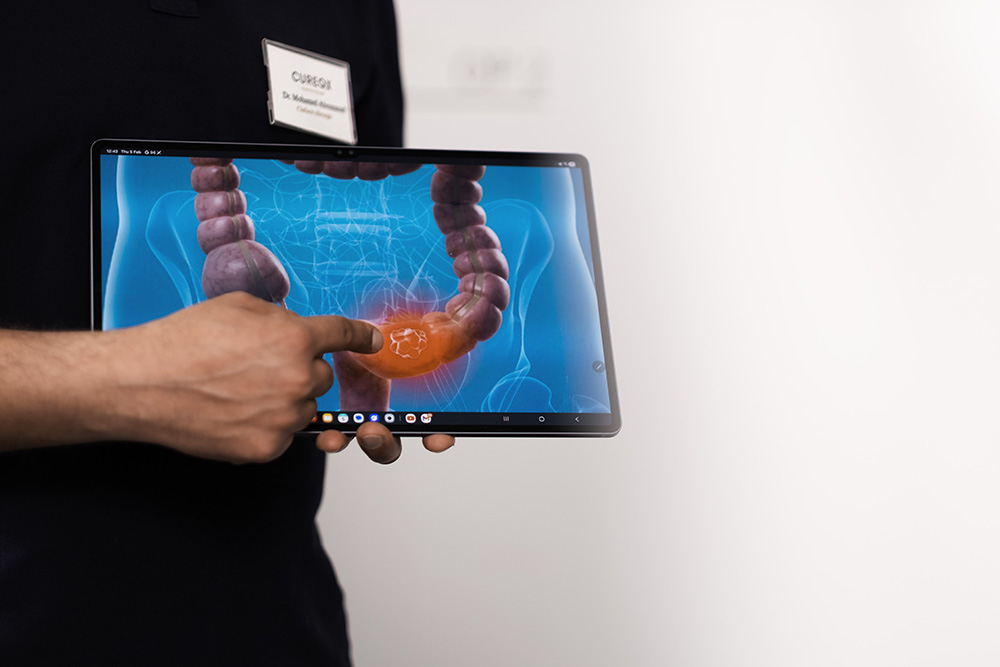
Tumor surgery is a key focus of the Surgical Center Saarbrücken and deals with the surgical treatment of tumors of the small intestine, large intestine (colon), and rectum. Every treatment is based on careful diagnostics, on the basis of which an individually tailored surgical approach is planned. Therapy follows current medical guidelines and recognized surgical standards.

The aim of surgery is to completely remove the diseased tissue while preserving bowel function as much as possible. Depending on the location, size, and extent of the tumor, removal of individual sections of the intestine may be necessary. Where medically appropriate, tissue-sparing and structure-preserving techniques are used to keep the strain on the body as low as possible.

Especially in rectal tumors, preserving important functions is of great importance in addition to complete tumor removal. Surgical planning is therefore carried out with particular care and with consideration of individual anatomical and health-related factors. Additional therapy steps are coordinated on an interdisciplinary basis to enable comprehensive treatment.
surgery-saarbruecken-abouzamel-hand-surgery

Hand surgery

Precise surgical treatment for mobility, function, and relief

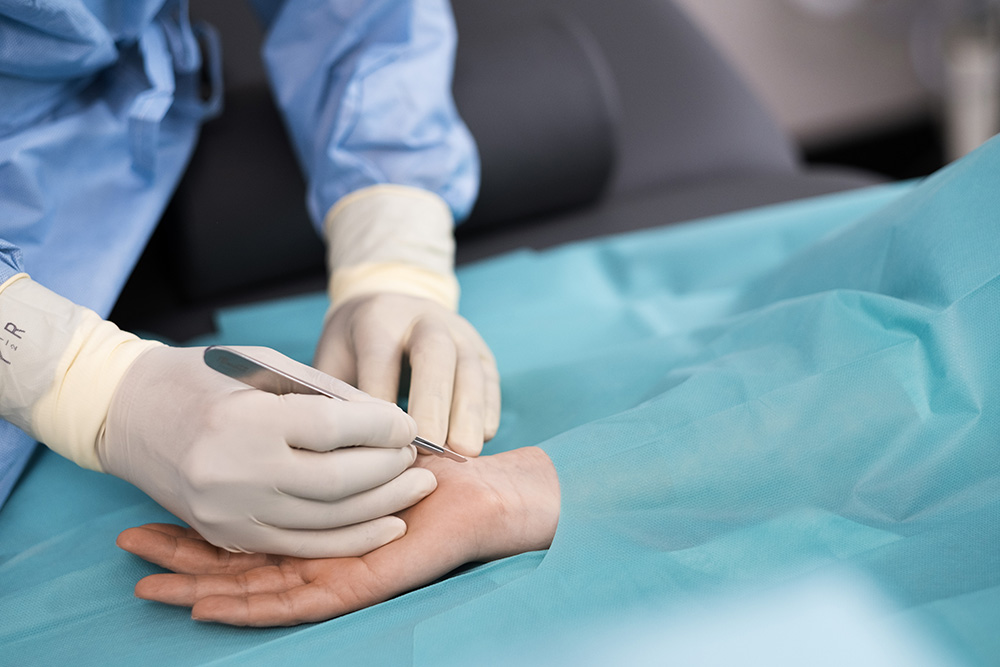
Hand surgery is a specialized field of surgery and deals with conditions that can impair the function, mobility, and load-bearing capacity of the hand. Since the hand plays a central role in everyday life, accurate diagnostics and individually tailored treatment are particularly important.

Common conditions in hand surgery include carpal tunnel syndrome and trigger finger. In carpal tunnel syndrome, narrowing of the nerve in the wrist can cause abnormal sensations, numbness, or pain. If conservative measures do not provide sufficient relief, a surgical procedure to decompress the nerve may be advisable. The aim of treatment is to reduce symptoms and sustainably improve hand function.

Trigger finger presents as painful catching or locking of a finger during movement. The cause is usually a narrowing of the tendon within the tendon sheath. A targeted surgical procedure can restore mobility of the affected finger in many cases. Treatment is performed based on clear medical indications and using the most tissue-sparing techniques possible.
surgery-saarbruecken-abouzamel-diagnostics

Diagnostics

Careful assessment as the basis of every surgical treatment

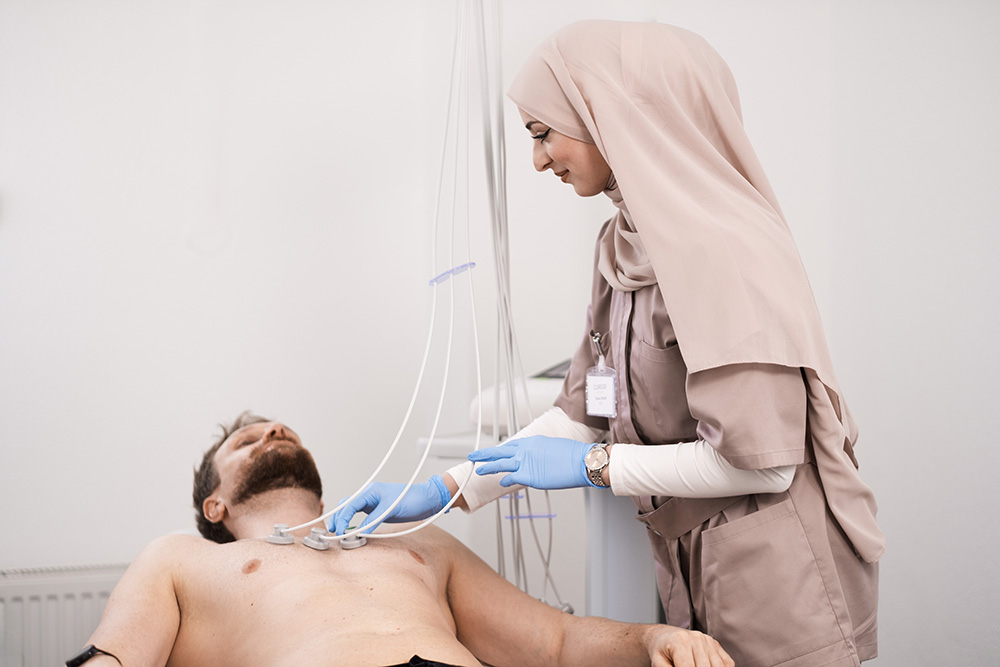
Precise diagnostics are the basis of every well-founded treatment decision at our Surgical Center Saarbrücken. The aim is to reliably classify symptoms and conditions in order to plan an individually suitable and medically appropriate treatment. Proven and established examination methods are used.

Ultrasound is a gentle, radiation-free method that is often used for initial assessment. It enables real-time evaluation of organs, soft tissues, and vessels and provides important indications of inflammatory changes, masses, or functional disorders. Ultrasound can be integrated directly into the clinical examination and supports fast, targeted decision-making.
In certain cases, diagnostic laparoscopy may also be useful. In this minimally invasive procedure, the abdominal cavity is assessed through small skin incisions. It is used to clarify unclear findings in more detail or to confirm conditions reliably. At the same time, if indicated, any necessary surgical treatment can be performed immediately.
surgery-saarbruecken-abouzamel-aesthetic-surgery

Aesthetic medicine

Wrinkle treatment with botulinum toxin

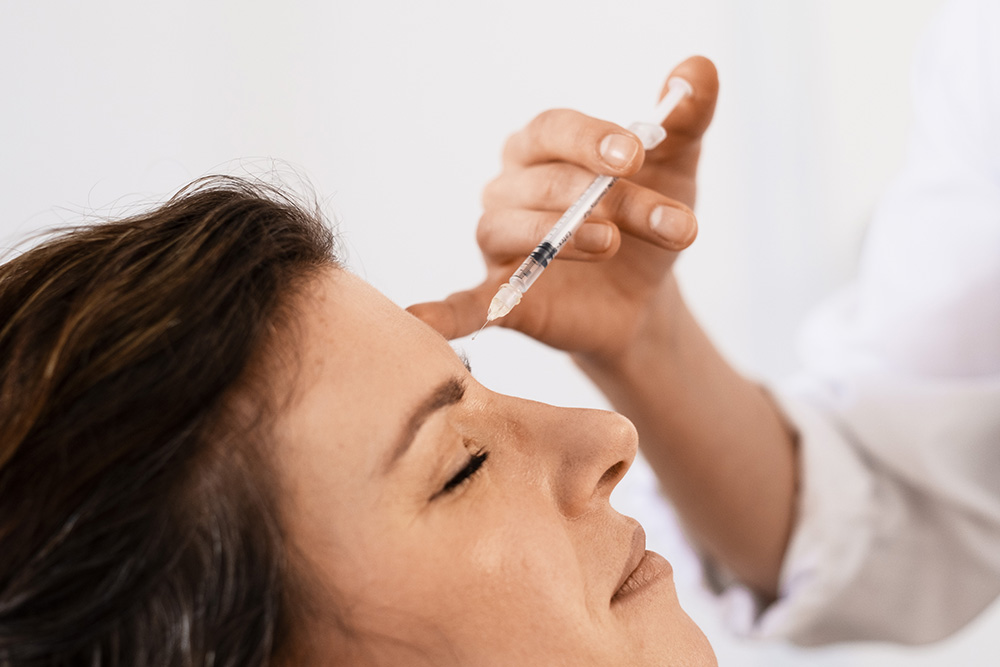
Aesthetic medicine now offers a wide range of options for gently treating age-related changes in the face. One proven method is the use of botulinum toxin. This is an active substance that is injected specifically into certain muscle areas to temporarily reduce their activity. In this way, expression lines—such as on the forehead, between the eyebrows, or crow’s feet—can be visibly softened. We can also offer subtle jawline refinement, a gentle brow lift, and many other treatments for a natural, relaxed appearance, with expertise and comprehensive specialist knowledge.

Treatment is performed on an outpatient basis and usually takes only a few minutes. Before every application, there is a detailed consultation in which individual wishes, medical prerequisites, and possible treatment limits are discussed. The goal is not a changed appearance, but a natural-looking, relaxed look.

The effect of botulinum toxin usually begins within a few days and lasts for a limited period. Repeat treatment is possible when the effect wears off. As with any medical procedure, side effects may occur, and you will be fully informed about these in advance.
The neuromodulating effect of botulinum toxin can be used not only aesthetically but also medically. For example, we can help alleviate

  • Migraine
  • Hyperhidrosis (excessive sweating)
  • Bruxism (teeth grinding/clenching)
  • chronic anal fissures

and improve quality of life. Please contact us—we will be pleased to advise you on the options and your personal treatment possibilities.

Treatment with polynucleotides is a modern, minimally invasive procedure to improve skin quality, focusing on the skin’s biological regeneration rather than volume enhancement as with fillers.

The body’s own collagen production is increased, cell regeneration is promoted, and skin elasticity is improved. Polynucleotides can be used for skin tightening, reducing fine lines, and also for activating hair roots, as well as for scar and pigmentation treatment.

The highly purified polynucleotides are injected superficially into the skin using very fine needles. For optimal results, 2–3 treatments at intervals of several weeks are generally recommended. We will be pleased to provide you with detailed advice on your individual treatment options.

chirurgie-saarbruecken-abouzamel-hernien-operationen

International patients

Competent care – personal, clear, and well organized

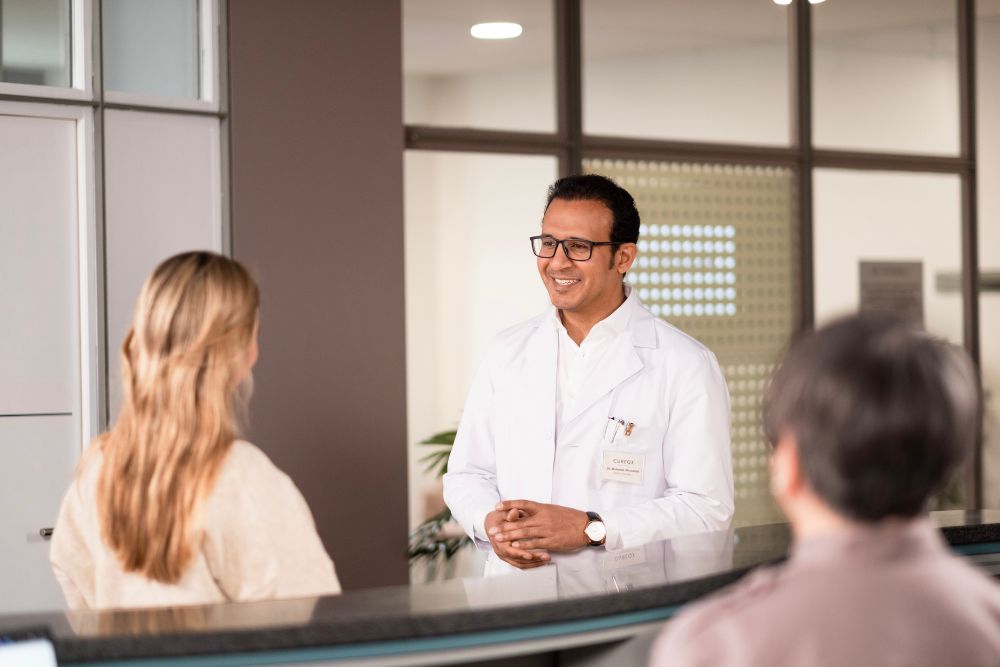
We warmly welcome international patients to our center and place great importance on clear, trusting communication. Consultations and treatment are available in German, English, Turkish, or Arabic, so you can feel well cared for at all times.

We are happy to support you not only medically, but also organizationally—from scheduling appointments to coordinating your stay. If desired, we also offer airport pickup to make your arrival as comfortable as possible.

For inquiries and appointments, please contact us by email. We will personally take care of your request and reliably guide you through all further steps.
chirurgie-saarbruecken-abouzamel-hernien-operationen

Complex operations

Specialized procedures

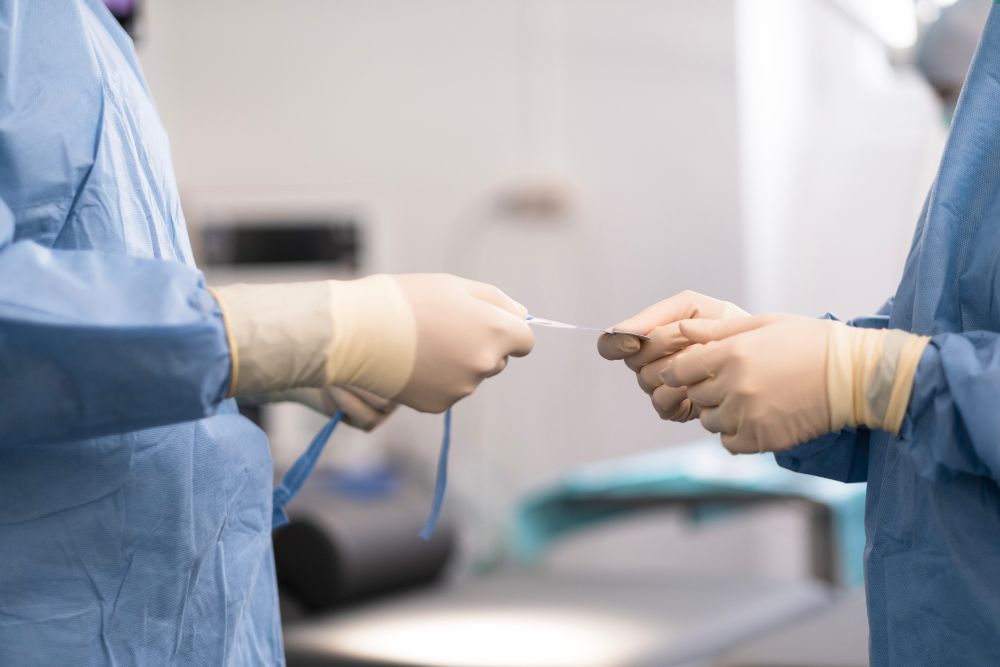
Complex operations are performed personally by Dr. Mohamed Abouzamel.

Even demanding procedures can be planned safely and carried out professionally at our center—from careful preparation through to aftercare.

You can find an example of a successful complex treatment here:

Download: “Patient from Cairo saved in Sulzbach”
chirurgie-saarbruecken-abouzamel-hernien

Private patients

More time, direct care, and treatment tailored to your needs

In our practice, we care for privately insured patients and self-paying patients with a special focus on personal consultation, clear processes, and individualized treatment planning.
You benefit from generously scheduled consultation time, free choice of physician, and—by arrangement—preferred appointments, including outside regular office hours.

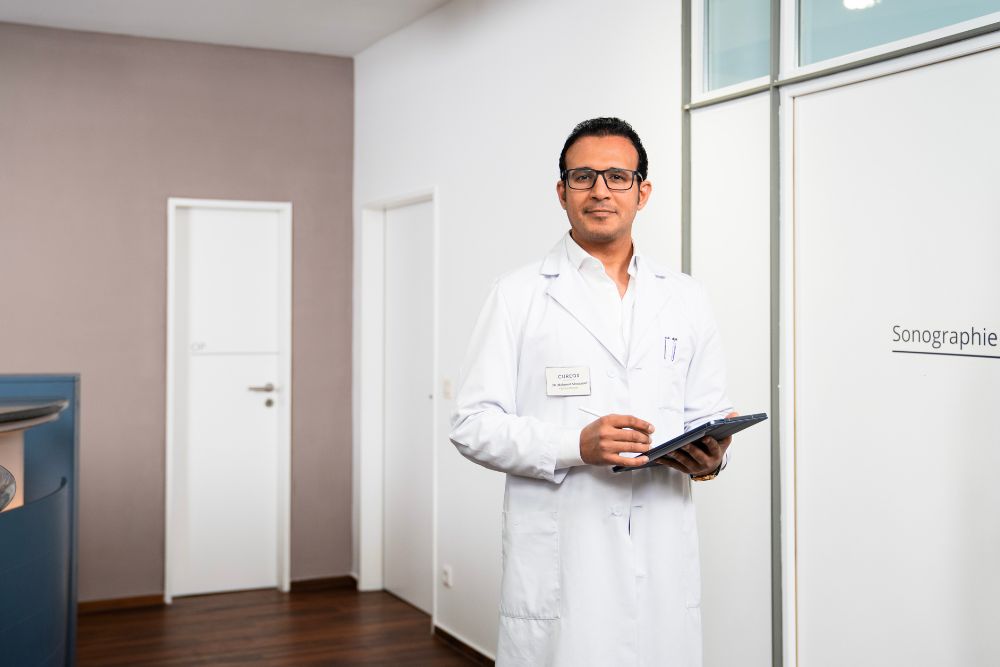
If surgery is required, it will be planned and performed personally by Dr. Mohamed Abouzamel.

Your benefits at a glance:

  • Free choice of physician
  • Comprehensive consultation and individualized treatment planning
  • Preferred appointment scheduling by arrangement
  • Personal care before, during, and after treatment
  • Inpatient care possible for more complex procedures

Do you have questions about our center or our services?
Simply call us or contact us by email; we will be happy to assist you.